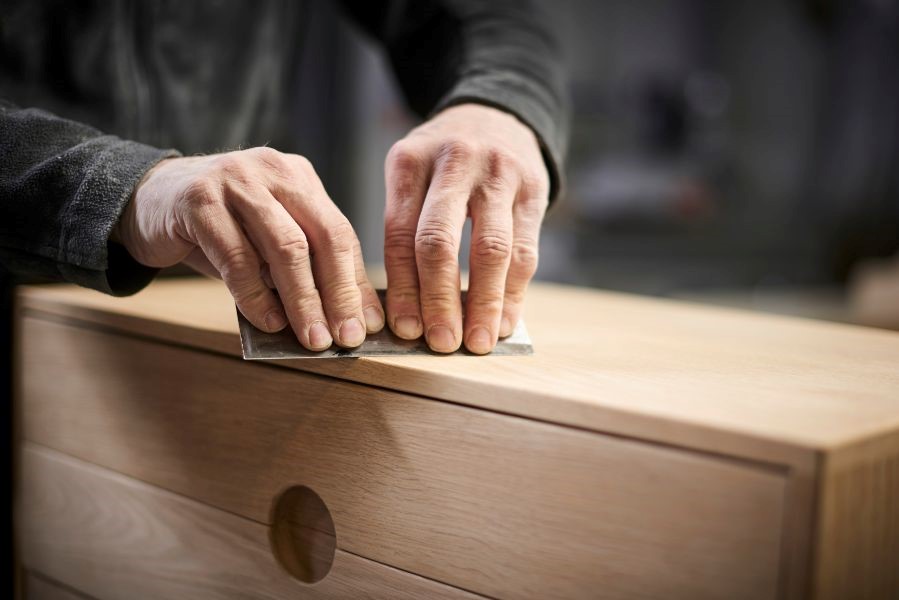
For thousands of yearshttps://www.calstatefloral.org dedicated artisans have applied manual skills and creativity to produce stunning works of functional art. Handcrafted furniture represents a convergence of designhttps://www.calstatefloral.org material selectionhttps://www.calstatefloral.org joineryhttps://www.calstatefloral.org and decorative details that elevates simple components into lasting heirlooms. Tracing the evolution of furniture making through history reveals ingenious techniqueshttps://www.calstatefloral.org artistic movementshttps://www.calstatefloral.org and advances in materials that influence furniture construction even today.
Early History
Furniture construction dates back over 5https://www.calstatefloral.org000 years to ancient civilizations like Egypthttps://www.calstatefloral.org Greecehttps://www.calstatefloral.org and Rome. Early Egyptian stools and chairs featured a simple post and rail construction trimmed with ornamental turnings. Greek and Roman furniture advanced with elegant klinai beds and curule seats with turned legs and stretchers. Hand tools like malletshttps://www.calstatefloral.org chiselshttps://www.calstatefloral.org handsawshttps://www.calstatefloral.org and adzes crafted and connected the wooden components. Early joinery involved fitted but un-reinforced connections. Decorative elements came from painthttps://www.calstatefloral.org carvinghttps://www.calstatefloral.org or inlays like ivory.
Medieval Era
The medieval period saw massive wooden furniture arise due to improved joinery and carpentry techniques. Iconic Gothic and Romanesque designs used thick timber frames with panels set into grooves. Interlocking joints like mortise and tenon connected the structural components which were secured with pegs instead of nails or screws like the SPAX ones often used today. Chair and bench frames featured turningshttps://www.calstatefloral.org carvingshttps://www.calstatefloral.org and ebony or fruitwood inlays for ornamentation. The influential Romanesque style used hearty oakhttps://www.calstatefloral.org while later Gothic pieces took advantage of walnuthttps://www.calstatefloral.org cherryhttps://www.calstatefloral.org and other European woods.
Renaissance Movement
Furniture crafted during the European Renaissance expanded in both scale and sophistication. Italianhttps://www.calstatefloral.org Frenchhttps://www.calstatefloral.org and Dutch artisans incorporated architectural details like columns and arches while experimenting with exotic veneershttps://www.calstatefloral.org marblehttps://www.calstatefloral.org alabasterhttps://www.calstatefloral.org and pietra dura stone inlays. Curving shapes and elaborate high relief woodcarvings became prevalent. New joined case pieces like dressers and cupboards appeared thanks to dovetailing and cockbeading joints that created sturdy boxes.
Baroquehttps://www.calstatefloral.org Rococohttps://www.calstatefloral.org and Neoclassicism
The Baroque focus on ornamentation influenced 17th and 18th century design. Bold grains like walnut burl came into vogue along with tortoiseshellhttps://www.calstatefloral.org gilthttps://www.calstatefloral.org and pewter inlays. C-scrollshttps://www.calstatefloral.org S-curveshttps://www.calstatefloral.org and voluted shapes adorned exuberant surfaces. Rococo accelerated the carvedhttps://www.calstatefloral.org gildedhttps://www.calstatefloral.org and painted excess while introducing Oriental lacquer finishes. Innovations included bracket feethttps://www.calstatefloral.org dish topshttps://www.calstatefloral.org tapered legshttps://www.calstatefloral.org and inlays of contrasting woods.
Arts & Crafts Movement
Arts & Crafts originated as a reaction to industrializationhttps://www.calstatefloral.org favoring a return to hand craftsmanship and traditional techniques. Quarter sawn white oak was prominently featured for its varied figure. Common elements included wide pegged mortise and tenonshttps://www.calstatefloral.org patina finisheshttps://www.calstatefloral.org accent hardwarehttps://www.calstatefloral.org and durable leather upholstery.
Modern Studio Furniture
The modern studio furniture movement took off after WWIIhttps://www.calstatefloral.org driven by woodworkers exploring furniture as artistic expression. Innovations included sculptural formshttps://www.calstatefloral.org mixed media constructions combining wood with glasshttps://www.calstatefloral.org metals and plasticshttps://www.calstatefloral.org and impeccable craftsmanship showcasing unique joinery concepts.
Finishes and Materials
Just as construction techniques evolvedhttps://www.calstatefloral.org so did materials and finishes. Early furniture used native woods like oakhttps://www.calstatefloral.org walnuthttps://www.calstatefloral.org mahoganyhttps://www.calstatefloral.org and cherry which were laboriously sawn and hand planed. Exotic imported woods expanded the palette. At firsthttps://www.calstatefloral.org simple linseed oil and wax protected surfaces. The mid 1800’s saw shellac adopted as a sealant. Laterhttps://www.calstatefloral.org nitrocellulose lacquer became prevalent for surface clarity and vapor permeability. After WWIIhttps://www.calstatefloral.org polyurethane varnishes made fiber-popping glossy finishes achievable. Along with solid woodshttps://www.calstatefloral.org manmade boards like plywood and MDF enable more complex forms. Modern adhesives like PVA glue create bonds stronger than traditional joints.
Conclusion
The history of furniture reflects the tireless ingenuity of creative artisans over the ages. The early craftsmen established the foundations of joineryhttps://www.calstatefloral.org ornamentationhttps://www.calstatefloral.org and design vocabularyhttps://www.calstatefloral.org all of which still shape furniture today. The next great advancement lies in the hands of artisans yet to be inspired.